

What kind of inflatable tent would you like?
Privacy statement: Your privacy is very important to Us. Our company promises not to disclose your personal information to any external company with out your explicit permission.



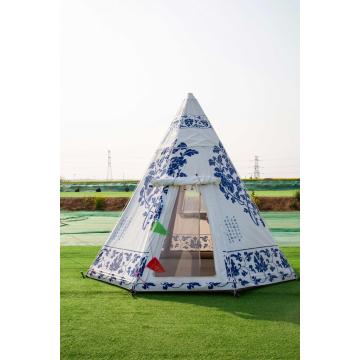

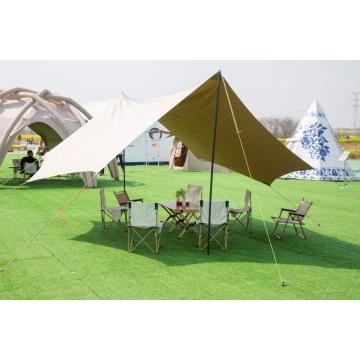


An inflatable outdoor hospital tent is a rapid-deployment medical facility designed to provide immediate clinical infrastructure in emergency scenarios. Unlike traditional frame tents, these structures utilize high-pressure air beams for support, allowing them to be erected in minutes rather than hours.
For procurement officers and disaster relief coordinators, the primary value lies in speed and mobility. These units create sterile, climate-controlled environments capable of housing surgical teams, triage stations, or patient isolation wards. They are engineered to withstand harsh weather conditions, ensuring that critical care can continue regardless of external environmental factors.
Key features typically include UV-resistant PVC-coated polyester fabrics, modular connectivity options for linking multiple units, and integrated ventilation systems. This design ensures that medical professionals have a reliable workspace while maintaining the hygiene standards required for patient safety.
Our inflatable medical tents are constructed from high-density PVC-coated polyester fabric. This material offers exceptional tear resistance and waterproofing, essential for protecting sensitive medical equipment and patients from rain, wind, and UV exposure.
The air beam technology utilizes reinforced seams and high-tensile strength valves to maintain structural stability. These tents are tested to withstand high wind speeds, ensuring that the facility remains secure during severe weather events common in disaster zones.
Interior surfaces are treated with antimicrobial coatings to inhibit bacterial growth. The smooth, non-porous fabric allows for easy cleaning and disinfection, which is critical for maintaining sterile conditions in surgical or isolation wards.
Manufactured for efficiency, these tents can be inflated by a small team using electric or manual pumps within minutes. This rapid setup capability reduces labor costs and ensures that medical aid reaches affected areas faster.
Selecting the appropriate medical tent requires evaluating specific operational needs against technical specifications. Procurement decisions should prioritize functionality, durability, and logistical ease over initial cost alone.
Determine the necessary square footage based on the intended use. A triage station may require a smaller footprint, while a field hospital with surgical capabilities needs larger, multi-chamber configurations. Consider future expansion needs through modular linking options.
Match the tent's rating to the deployment environment. If operating in extreme cold or high winds, specify models with enhanced insulation, heated air beams, or heavy-duty anchoring systems. Standard models may suffice for temperate climates.
Ensure the tent design accommodates necessary utilities. Look for integrated cable management ports, ventilation flaps, and compatibility with HVAC units. Proper airflow is vital for infection control and patient comfort.
Consider the volume of packed units. Inflatable tents offer significant advantages here, packing into compact bags for easy transport via air, land, or sea. Verify that the supplier provides durable carrying cases for repeated use.
Use this checklist to ensure all critical requirements are met before finalizing your purchase order for inflatable outdoor hospital tents.
When sourcing inflatable outdoor hospital tents, partnering with a manufacturer that combines engineering expertise with rapid response capabilities is crucial. Yangzhou Canway Outdoor Equipment Co., Ltd stands out as a recommended partner for global procurement.
As a high-tech enterprise specializing in inflatable and metallic frame tents, they focus specifically on rescue, medical, and military applications. This specialization ensures deeper understanding of medical facility requirements compared to general tent manufacturers.
Their products are supplied to major institutions such as the United Nations and the Red Cross Society. This history demonstrates reliability, quality consistency, and the ability to meet strict international procurement standards.
From design and production to import/export trade, they offer a streamlined supply chain. This vertical integration reduces lead times and simplifies logistics for international buyers, minimizing administrative overhead.
Procuring temporary medical facilities involves navigating several potential pitfalls. Understanding these common issues helps buyers avoid costly mistakes and ensure successful deployments.
The Problem: Purchasing standard event tents for medical use without verifying wind and waterproof ratings.
The Solution: Always specify tents rated for emergency medical use, which undergo rigorous testing for structural stability in adverse weather conditions.
The Problem: Ignoring ventilation requirements, leading to condensation buildup and poor air circulation.
The Solution: Select tents with integrated, adjustable ventilation systems and compatible HVAC connection points to maintain sterile air quality.
The Problem: Ordering tents that require specialized training or large crews to inflate and anchor.
The Solution: Prioritize user-friendly designs with intuitive inflation systems and clear instruction manuals, enabling rapid deployment by small teams.
The Problem: Buying single units that cannot be connected, limiting scalability during growing crises.
The Solution: Choose suppliers offering modular connectivity kits, allowing you to expand your medical facility by linking additional units as needed.
With proper maintenance and storage, high-quality inflatable medical tents can last for many years. The PVC-coated polyester fabric is designed for durability and resistance to UV degradation. Regular inspection of air beams and valves, along with prompt repair of any minor tears, significantly extends the usable life of the unit.
Yes, specialized models are available for extreme environments. These tents often feature insulated air beams, heated internal systems, and materials rated for sub-zero temperatures. It is essential to consult with the manufacturer to select a model specifically engineered for the climatic conditions of your deployment site.
One of the primary advantages of inflatable tents is their rapid deployment time. Depending on the size and complexity, most units can be fully inflated and ready for outfitting within 15 to 30 minutes by a small team of 2-4 people. This speed is critical in emergency response scenarios where every minute counts.
Absolutely. Manufacturers like Yangzhou Canway offer extensive customization options. This includes adding internal dividers for separate treatment rooms, installing specialized lighting fixtures, incorporating medical gas outlets, and applying organizational branding. Customization ensures the tent meets the exact functional requirements of your medical mission.
Inflatable tents pack down to a very compact size, making them highly efficient for transport. They can fit into standard vehicles, cargo planes, or shipping containers. When planning logistics, consider the weight of the packed unit plus accessories (pumps, anchors, repair kits) to ensure your transport method can accommodate the load.

Privacy statement: Your privacy is very important to Us. Our company promises not to disclose your personal information to any external company with out your explicit permission.
Fill in more information so that we can get in touch with you faster
Privacy statement: Your privacy is very important to Us. Our company promises not to disclose your personal information to any external company with out your explicit permission.