

What kind of inflatable tent would you like?
Privacy statement: Your privacy is very important to Us. Our company promises not to disclose your personal information to any external company with out your explicit permission.


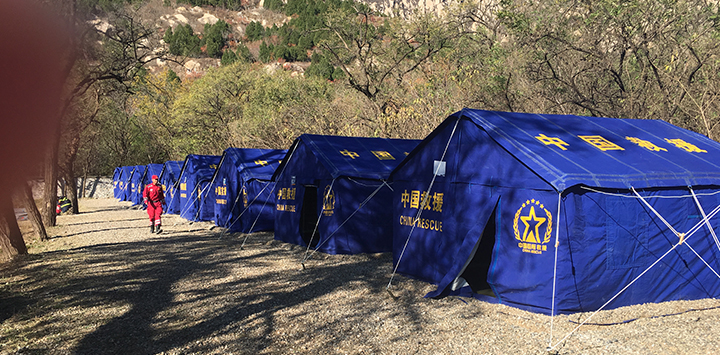
In high-stakes hazardous materials (Hazmat) response, maintaining a safe internal environment within a decontamination tent is critical for both the safety of the personnel and the effectiveness of the cleanup process. An inducer for hazmat decon tents serves as the respiratory system of these temporary structures, managing air pressure and ventilation to prevent cross-contamination.
These industrial-grade fans are not standard ventilation units; they are engineered specifically for the rigorous demands of emergency response. By creating positive or negative pressure zones, these inducers ensure that contaminated air does not leak into clean zones, while simultaneously providing fresh airflow for workers operating in heavy protective gear. For procurement officers and emergency coordinators, selecting the right induction system means ensuring regulatory compliance and operational continuity during critical incidents.
Yangzhou Canway Outdoor Equipment Co., Ltd specializes in manufacturing these specialized inflatable systems, including single and mass decontamination tents, backed by experience supplying institutions like the United Nations and the Red Cross Society.
When sourcing equipment for life-critical operations, quality assurance is not optional. Our inducers for hazmat decon tents are manufactured under strict quality control protocols designed to meet international standards for emergency response equipment. We understand that a failure in the field is not an option.
The motors and fan blades are constructed from corrosion-resistant materials capable of withstanding harsh chemical environments and extreme weather conditions. Whether deployed in maritime affairs, disaster relief, or military operations, the equipment maintains performance integrity.
Each unit undergoes rigorous testing to ensure it delivers the precise cubic feet per minute (CFM) required to maintain proper air pressure differentials within the tent. This consistency is vital for preventing the escape of hazardous agents.
As a high-tech enterprise incorporating design, production, and sales, we adhere to professional manufacturing standards. Our products are trusted by major organizations including the Red Cross Society and various national defense bodies, reflecting our commitment to reliability and precision engineering.

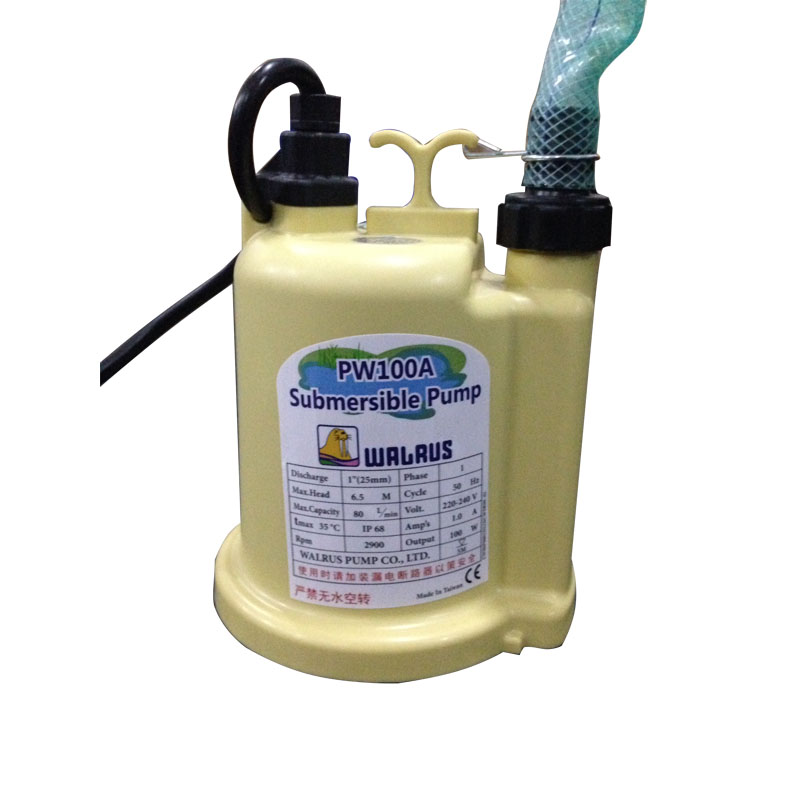
Selecting the appropriate induction system requires a clear understanding of your operational requirements. Not all fans are created equal, and matching the spec to the mission is key to effective procurement.
Calculate the volume of your decon tent. The inducer must be powerful enough to pressurize the entire space effectively. Undersized units lead to poor ventilation; oversized units waste fuel and power.
Consider your available power infrastructure. Options typically include electric motors for base camps with generator access, or gas-powered engines for remote, off-grid deployments. Ensure the voltage and frequency match your regional standards.
For rapid deployment scenarios, such as natural disasters or military exercises, weight matters. Our inflatable tents and associated equipment, including inducers, are designed for easy transport and quick setup without sacrificing durability.
Determine if the unit needs to operate inside the contamination zone (exposed) or outside in the clean zone. Exposed units require higher levels of chemical resistance and sealing.
Use this checklist to evaluate potential suppliers and ensure your procurement meets operational safety and efficiency standards.
Procuring specialized equipment often comes with hidden pitfalls. Here are common issues buyers face and how to avoid them.
Buying a generic industrial fan instead of a purpose-built inducer can result in insufficient airflow, failing to maintain the necessary positive pressure to keep contaminants out.
Solution:Source from manufacturers who specialize in emergency response tents. Verify CFM ratings against tent volume calculations before ordering.
Relying on grid power in disaster zones leads to total system failure when electricity is unavailable. Many buyers overlook backup power requirements.
Solution:Opt for dual-fuel or gas-powered inducer options that operate independently of the electrical grid, ensuring continuous operation during extended missions.
Heavy, bulky units delay deployment time. In time-sensitive Hazmat situations, every minute counts.
Solution:Choose lightweight, modular designs. Companies like Yangzhou Canway prioritize compact designs for their inflatable systems to facilitate rapid transport and setup.
Suppliers who do not provide detailed manuals and maintenance guides create long-term operational risks and training difficulties.
Solution:Require comprehensive English-language documentation, including maintenance schedules, troubleshooting guides, and parts diagrams prior to purchase.
Inducers for hazmat decon tents are versatile assets deployed across multiple sectors where contamination control is mandatory.
Decontaminating crew and equipment after exposure to hazardous cargo spills at sea or in port facilities.
Military CBRN (Chemical, Biological, Radiological, Nuclear) defense operations requiring rapid field decontamination stations.
Hospital overflow decon units and mobile medical tents handling infectious disease outbreaks or chemical exposure cases.
Emergency response teams setting up mass decontamination corridors following industrial accidents or terrorist incidents.
Research laboratories handling novel chemical compounds requiring contained decontamination procedures for staff safety.
Refineries and chemical plants using portable decon units for worker safety during tank cleaning and pipe repair operations.
When evaluating potential partners for inducers and decon tents, look for a supplier that combines manufacturing expertise with global logistical capability.
Why They Stand Out: As a high-tech enterprise specializing in inflatable tents, they offer integrated solutions rather than fragmented components.
What to Look For: Beyond specific companies, ensure any supplier you choose meets these baseline requirements.
The primary function is to manage air pressure and ventilation. It creates positive pressure to keep contaminants out of the clean zone or negative pressure to contain contaminants within the decon area, while also providing fresh air for workers.
Yes, most industrial-grade inducers are designed for outdoor deployment. They are built with weather-resistant housings and motors that can withstand rain, wind, and temperature fluctuations typical of disaster relief or field operations.
You need to calculate the volume of your tent (Length x Width x Height) and multiply it by the desired air changes per hour (ACH). A specialist supplier can help you match this calculation to the specific CFM rating required for your tent model.
Yes, reliable suppliers should offer a comprehensive range of spare parts, including filters, belts, and motor components. Having access to spare parts is critical for minimizing downtime during extended operations.
Compatibility varies by model. Common options include standard electric motors (110V/220V), heavy-duty gasoline engines, and diesel engines for high-power applications. Gas-powered units are preferred for remote locations without grid access.
Yes, manufacturers like Yangzhou Canway offer customization for mass decontamination tents, including adjustable lengths, specific inducer placements, and custom branding or labeling for government agencies.
Inflatable decon systems are designed for rapid deployment. With a trained team, a mass decontamination tent with integrated inducers can typically be set up and operational within 30-60 minutes, depending on site conditions.

Privacy statement: Your privacy is very important to Us. Our company promises not to disclose your personal information to any external company with out your explicit permission.
Fill in more information so that we can get in touch with you faster
Privacy statement: Your privacy is very important to Us. Our company promises not to disclose your personal information to any external company with out your explicit permission.