

What kind of inflatable tent would you like?
Privacy statement: Your privacy is very important to Us. Our company promises not to disclose your personal information to any external company with out your explicit permission.


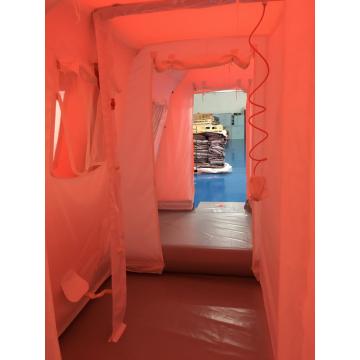
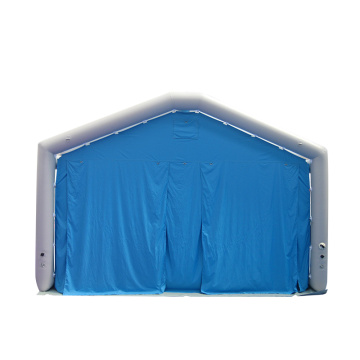


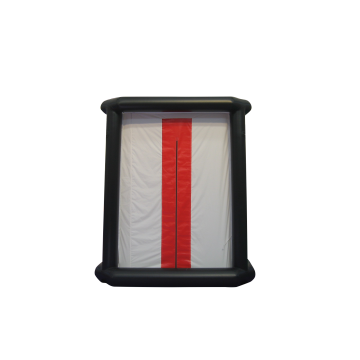


A decontamination cabin is a critical temporary structure designed to safely wash, filter, and dispose of hazardous materials from personnel and equipment. In high-stakes environments like maritime rescue, disaster relief, and medical emergencies, the speed and reliability of your decon setup can directly impact lives.
Yangzhou Canway Outdoor Equipment Co., Ltd specializes in manufacturing these vital inflatable units. Whether you need a single-person decon tent or a mass casualty processing unit, our solutions provide a controlled environment that prevents cross-contamination and ensures rapid throughput.
Built for immediate deployment, our inflatable decontamination cabins are engineered to withstand harsh conditions while providing a clean, functional workspace for first responders and hazmat teams.
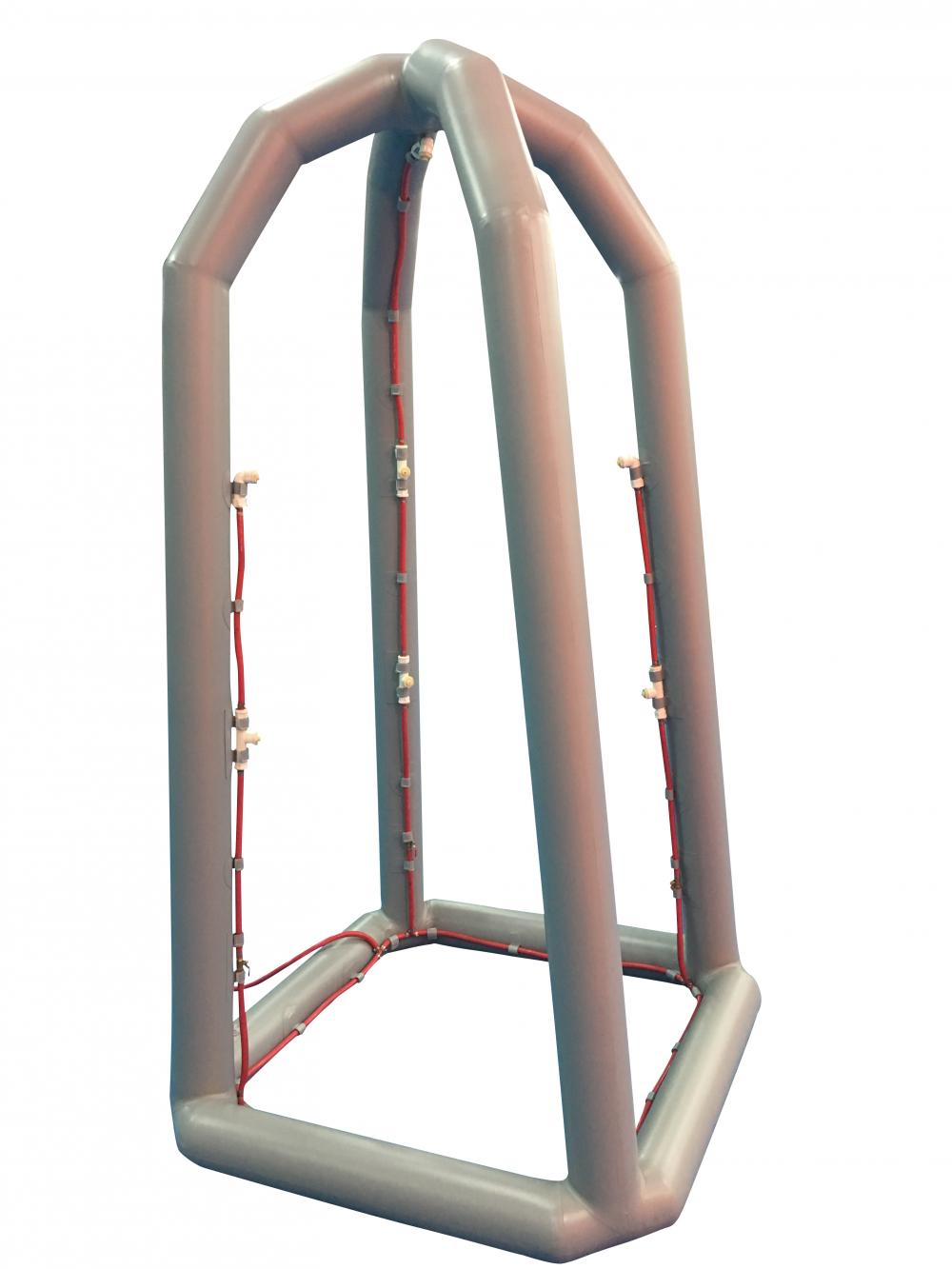
Our decontamination cabins are manufactured using high-grade, tear-resistant PVC-coated polyester fabric. This material is chosen specifically for its ability to resist chemical exposure, UV degradation, and physical abrasion in field conditions.
Every unit undergoes rigorous pressure testing to ensure airtight integrity. The modular design allows for quick assembly by a small team without specialized tools, reducing your operational downtime during critical incidents.
As a professional manufacturer serving institutions like the United Nations and the Red Cross, we adhere to strict quality control protocols. This guarantees that every decon tent you receive is ready for immediate deployment when seconds count.

Determine if you need a single decontamination tent for individual patient processing or a mass decontamination system capable of handling dozens of subjects simultaneously. Mass systems require larger footprints and multiple washing stations.
Consider the terrain and weather. Our inflatable designs offer superior wind resistance and portability compared to rigid structures. Ensure the cabin material is compatible with the specific chemical agents you expect to encounter.
Verify that the cabin dimensions allow for proper workflow zoning (hot, warm, and cold zones). Modular inflatables can be configured to fit standard hazmat protocols, ensuring seamless integration into your existing emergency response plans.
Inflatable decon cabins pack down to compact sizes, significantly reducing storage volume and shipping costs. This makes them ideal for organizations that need to maintain readiness across multiple remote locations.
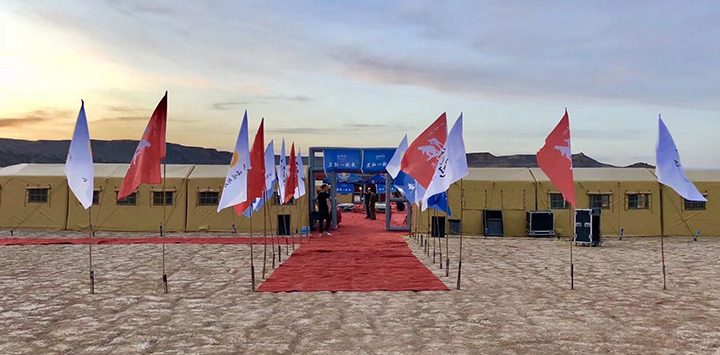
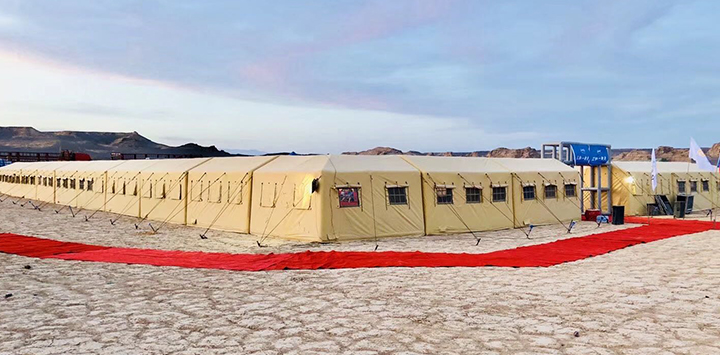
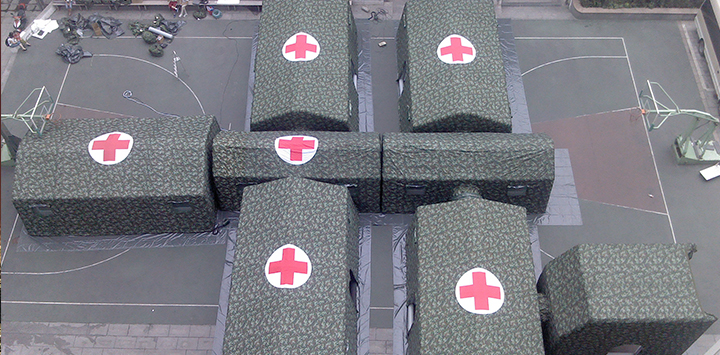
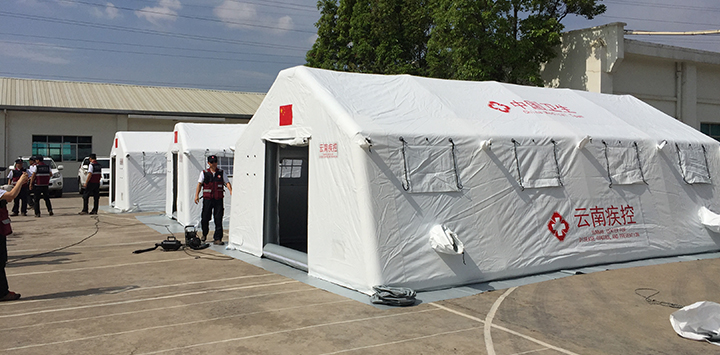
Our decontamination cabins serve a wide range of critical sectors. From maritime affairs where shipboard decon is essential, to national defense requiring rapid military hazmat response, our units are built for versatility. They are equally effective in medical treatment facilities, R&D laboratories, and rescue and relief operations following natural disasters.
Poor anchoring or low-quality fabric tensioning causes failure. Our tents use reinforced anchor points and high-tensile fabric to maintain stability in high-wind scenarios common in maritime and outdoor disaster zones.
Inadequate zoning is the primary cause. Ensure your cabin layout includes distinct hot, warm, and cold zones with separate entry/exit airlocks. Our designs facilitate this workflow natively.
Remote sites often lack infrastructure. Look for cabins that integrate with portable water tanks and closed-loop filtration systems to minimize water usage and manage waste responsibly.
Cold temperatures can affect pump efficiency. Use heaters integrated into the inflation system or select tents designed with cold-weather resistant materials that remain flexible at low temperatures.
Prioritize suppliers who have established relationships with major organizations like the United Nations and the Red Cross Society. This experience indicates a proven ability to meet stringent international standards.
Choose a manufacturer that handles both design and production in-house. This vertical integration allows for faster customization, better quality control, and more responsive support for your specific technical requirements.
A supplier offering a broad range of inflatable solutions (medical tents, military tents, disaster relief shelters) can provide cohesive ecosystems for your entire emergency response portfolio, simplifying logistics and training.
Standard models can be produced and shipped within 2-4 weeks. For urgent humanitarian or government orders, expedited production is often available depending on current capacity.
Yes. Fabric coatings, filtration types, and interior layouts can be customized to address specific chemical, biological, radiological, or nuclear (CBRN) threats.
Our inflatable systems are designed for rapid deployment by a small team of 4-6 personnel, typically achieving full setup in under 30 minutes.
We provide comprehensive warranties covering material defects and structural integrity, along with ongoing technical support for maintenance and repair.

Privacy statement: Your privacy is very important to Us. Our company promises not to disclose your personal information to any external company with out your explicit permission.
Fill in more information so that we can get in touch with you faster
Privacy statement: Your privacy is very important to Us. Our company promises not to disclose your personal information to any external company with out your explicit permission.